
Welcome to Spectrum Voices!

Welcome to Spectrum Voices!

As someone on the autism spectrum, I know firsthand how important it is to have a platform to share our experiences and perspectives with the world. That's why I created this blog - to give a voice to individuals on the autism spectrum and to help others understand and appreciate the diversity of the autism community.
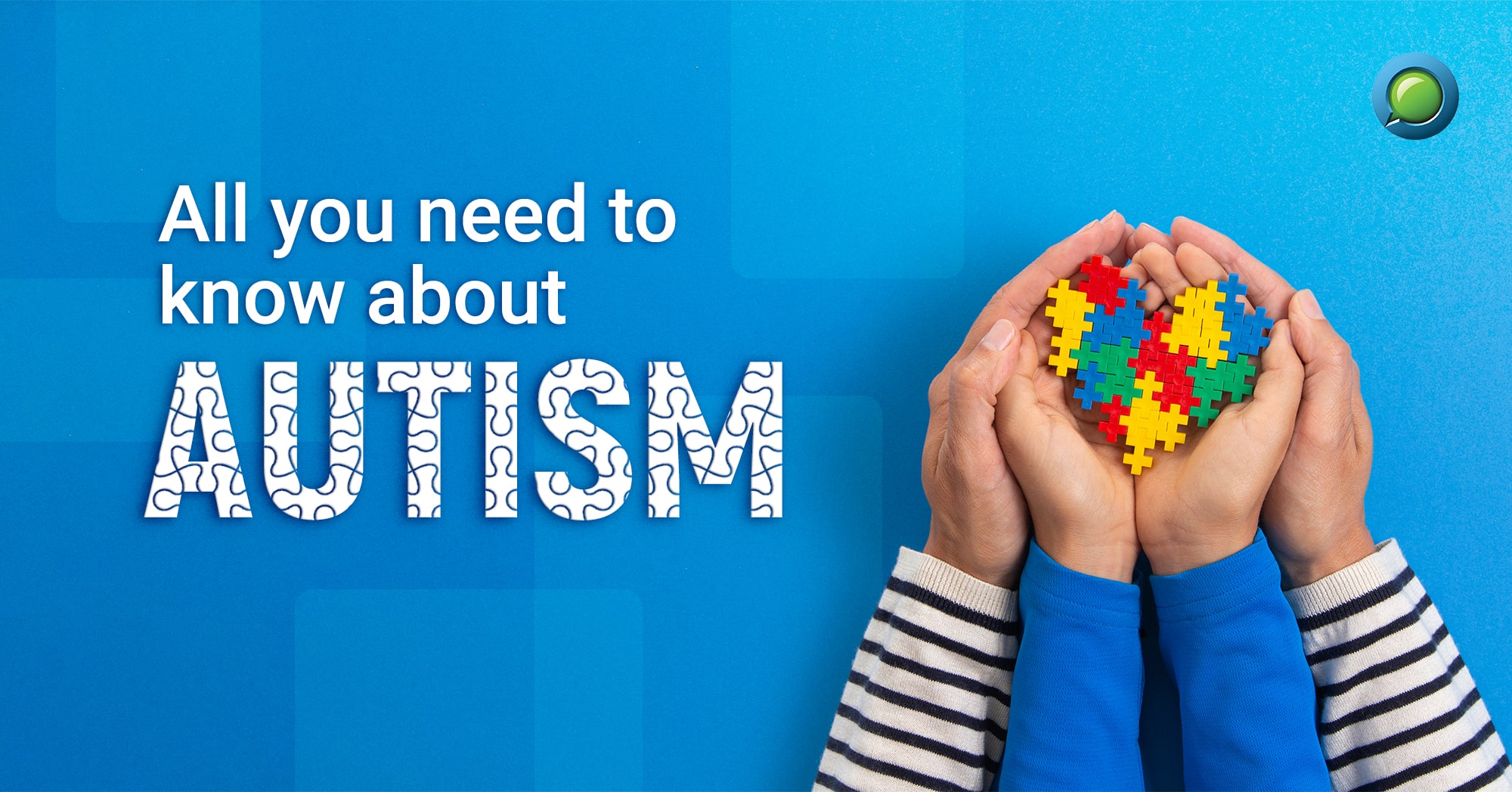
autism spectrum


In this first article, I want to talk about some of the common misconceptions about autism that I have encountered throughout my life. These misconceptions can be harmful and perpetuate negative stereotypes about individuals with autism, and I believe it's important to address and correct them.

One of the most common misconceptions about autism is that individuals with autism are not capable of forming social connections or friendships. This is simply not true. While individuals on the autism spectrum may have different ways of interacting with others, they are just as capable of forming deep and meaningful relationships as anyone else.

Another misconception is that all individuals with autism are the same. This is also false. The autism spectrum is wide and diverse, and no two individuals with autism are exactly alike. It's important to recognize and appreciate the unique strengths and challenges of each individual on the spectrum.

I hope this article helps to shed some light on some of the misconceptions about autism and encourages you to learn more about the autism community. Thank you for reading, and I look forward to sharing more of my thoughts and experiences with you in future articles.

Comments

Popular posts from this blog

The Role of Advocacy in the LGBTQ+ Community: How to Be an Ally and Make a Difference

The Role of Advocacy in the LGBTQ+ Community: How to Be an Ally and Make a Difference Advocacy is an important aspect of the LGBTQ+ community , as it helps to raise awareness, promote acceptance, and bring about change. Being an ally, or a supportive and advocate for the LGBTQ+ community , is an important way to make a positive impact and create a more inclusive and accepting society . So, how can you be an ally and make a difference in the LGBTQ+ community ? Here are a few steps you can take: Educate yourself. Take the time to learn about the LGBTQ+ community and the issues that affect them. This can involve reading books, articles, and other resources, attending events and workshops, or joining a support group. It's important to recognize that everyone's experiences and identities are different, and it's essential to be open and willing to learn about the diversity within the LGBTQ+ community . Use inclusive language. Make a conscious effo...

Exploring Treatment Options for Autism

Exploring Treatment Options for Autism If you or a loved one has been diagnosed with autism , you may be wondering what treatment options are available. It's important to remember that every individual with autism is unique, and the most appropriate treatment approach will depend on the individual's specific needs and characteristics. Here are some common treatment options to consider: Behavioral therapy : Behavioral therapy, also known as applied behavior analysis (ABA), is a type of therapy that focuses on modifying and reinforcing behaviors to increase positive behaviors and decrease negative behaviors. ABA can be used to improve social skills, communication, and academic performance. Speech and language therapy : Speech and language therapy can help individuals with autism to improve their communication skills. This may include learning how to use language to express needs, wants, and thoughts, as well as how to understand and follow instructions....

Finding Your Voice: How to Overcome Imposter Syndrome and Embrace Your Authentic Self

Finding Your Voice: How to Overcome Imposter Syndrome and Embrace Your Authentic Self Have you ever felt like a fraud, like you're not good enough or that you don't belong in your current role or situation? If so, you're not alone. Imposter syndrome is a common feeling that many people experience at some point in their lives. It's a feeling of self-doubt and inadequacy , despite evidence to the contrary. Imposter syndrome can be particularly prevalent among high-achievers, who may feel like they have to constantly prove themselves in order to be worthy. It can also be experienced by marginalized groups, who may feel like they don't fit in or that they don't belong in certain environments. Tips for Overcoming Imposter Syndrome So how can you overcome imposter syndrome and embrace your authentic self? Here are a few tips: Recognize that imposter syndrome is a common feeling. Remind yourself that you're not alone in feeling this way and that ma...